
Patient Resources
Everything you need to understand your kidney care, manage your health, and navigate life on dialysis.
- Home
- Resources
GET THE FACTS
1. 26 million American adults have CKD and millions of others are at increased risk.
2. Early detection can help prevent the progression of kidney disease to kidney failure.
3. Heart disease is the major cause of death for all people with CKD.
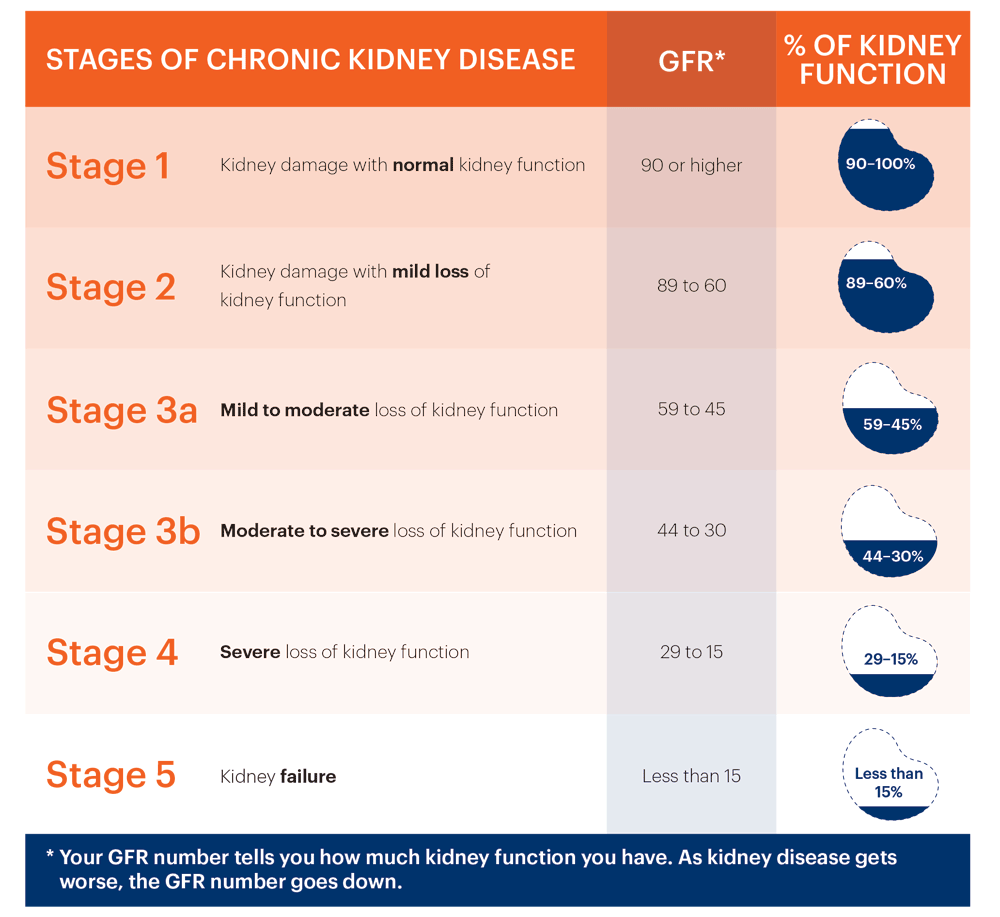
4. Glomerular filtration rate (GFR) is the best estimate of kidney function.
5. Hypertension causes CKD and CKD causes hypertension.
6. Persistent proteinuria (protein in the urine) means CKD is present.
7. High risk groups include those with diabetes, hypertension and family history of kidney failure.
8. African Americans, Hispanics, Pacific Islanders, American Indians and Seniors are at increased risk.
9. Three simple tests can detect CKD: blood pressure, urine albumin and serum creatinine.
Frequently Asked Questions
Understanding your condition is one of the most powerful things you can do for your health. The resources below are designed for patients and families at every stage of kidney disease.
What is Kidney Disease?
Chronic kidney disease generally refers to a group of conditions that damage your kidneys and decrease their ability to keep you healthy by:
- removing waste products and/or drugs from the body
- balancing the body’s fluids
- releasing hormones that regulate blood pressure
- producing an active form of vitamin D that promotes strong, healthy bones
- controlling the production of red blood cells
As kidney disease progresses, the level of waste in the blood can become high and make you feel sick. Complications of kidney disease include high blood pressure, anemia (low blood count), weak bones, poor nutritional health, and nerve damage. In addition, kidney disease increases the risk of having heart and blood vessel disease.
What Causes Kidney Disease?
The two main culprits behind kidney disease are diabetes and high blood pressure, which account for two-thirds of all CKD cases.
Other conditions that affect the kidneys are:
- Glomerulonephritis, a group of diseases that cause inflammation and damage to the kidney’s filtering units. These disorders are the third most common type of kidney disease.
- Inherited diseases, such as polycystic kidney disease, which causes large cysts to form in the kidneys and damage the surrounding tissue.
- Malformations that occur as a baby develops in its mother’s womb. For example, a narrowing may occur that prevents normal outflow of urine and causes urine to flow back up to the kidney. This causes infections and may damage the kidneys.
- Lupus and other diseases that affect the body’s immune system.
- Obstructions caused by problems like kidney stones, tumors or an enlarged prostate gland in men.
- Repeated urinary infections.
What are the symptoms of CKD?
Commonly, symptoms may not appear until kidney disease is advanced. However, those with CKD may notice that they:
- Feel more tired and have less energy
- Have trouble concentrating
- Have a poor appetite
- Have trouble sleeping
- Have muscle cramping at night
- Have swollen feet and ankles
- Have puffiness around your eyes, especially in the morning
- Have dry, itchy skin
- Need to urinate more often, especially at night.
Anyone can get chronic kidney disease at any age. However, some people are more likely than others to develop kidney disease. You may have an increased risk for kidney disease if you:
- Have diabetes
- Have high blood pressure
- Have a family history of kidney failure
- Are an older adult
- Belong to a population group that has a high rate of diabetes or high blood pressure, such as African Americans, Hispanic Americans, Asian, Pacific Islanders, and American Indians.
Source: National Kidney Foundation http://www.kidney.org/
How is chronic kidney disease (CKD) detected?
Chronic kidney disease generally refers to a group of conditions that damage your kidneys and decrease their ability to keep you healthy by:
- removing waste products and/or drugs from the body
- balancing the body’s fluids
- releasing hormones that regulate blood pressure
- producing an active form of vitamin D that promotes strong, healthy bones
- controlling the production of red blood cells
As kidney disease progresses, the level of waste in the blood can become high and make you feel sick. Complications of kidney disease include high blood pressure, anemia (low blood count), weak bones, poor nutritional health, and nerve damage. In addition, kidney disease increases the risk of having heart and blood vessel disease.
What happens if my test results show I may have chronic kidney disease?
The two main culprits behind kidney disease are diabetes and high blood pressure, which account for two-thirds of all CKD cases.
Other conditions that affect the kidneys are:
- Glomerulonephritis, a group of diseases that cause inflammation and damage to the kidney’s filtering units. These disorders are the third most common type of kidney disease.
- Inherited diseases, such as polycystic kidney disease, which causes large cysts to form in the kidneys and damage the surrounding tissue.
- Malformations that occur as a baby develops in its mother’s womb. For example, a narrowing may occur that prevents normal outflow of urine and causes urine to flow back up to the kidney. This causes infections and may damage the kidneys.
- Lupus and other diseases that affect the body’s immune system.
- Obstructions caused by problems like kidney stones, tumors or an enlarged prostate gland in men.
- Repeated urinary infections.
Can kidney disease be successfully treated?
Commonly, symptoms may not appear until kidney disease is advanced. However, those with CKD may notice that they:
- Feel more tired and have less energy
- Have trouble concentrating
- Have a poor appetite
- Have trouble sleeping
- Have muscle cramping at night
- Have swollen feet and ankles
- Have puffiness around your eyes, especially in the morning
- Have dry, itchy skin
- Need to urinate more often, especially at night.
Anyone can get chronic kidney disease at any age. However, some people are more likely than others to develop kidney disease. You may have an increased risk for kidney disease if you:
- Have diabetes
- Have high blood pressure
- Have a family history of kidney failure
- Are an older adult
- Belong to a population group that has a high rate of diabetes or high blood pressure, such as African Americans, Hispanic Americans, Asian, Pacific Islanders, and American Indians.
Source: National Kidney Foundation http://www.kidney.org/
How is kidney failure treated?
How long does dialysis take?
What does dialysis feel like?
Why should I not skip a treatment?
What happens if I gain excess weight between treatments?
Can I eat before dialysis?
What should I wear to my dialysis appointment?
Dialysis Preparation
Preparing for dialysis treatment can sometimes be overwhelming. We are here to help.
1. Be informed.
Learn more about your condition so that you know what to expect. The National Kidney Foundation is a great resource for informational reading. For additional questions, talk to your doctor or contact us.
2. Establish a support team.
Talk to friends and loved ones before your first dialysis treatment to let them know what's going on. Establishing your support system early on can often help you feel more prepared for dialysis.
3. Make a decision.
Talk to your nephrologist about the available treatment options. Come prepared with a list of questions so that you can understand your choices fully.
4. Maintain your normalcy.
Keeping your job while on dialysis is great for your well-being, both mentally and financially. Talk to your employer to discuss how to modify your work schedule while receiving treatment.
5. Take control of your kidney health.
Maintain a healthy diet and a reasonable level of exercise while receiving treatment. Discuss a plan with your doctor and consider getting help from a registered dietician.
For any other questions, please contact us for assistance.
Nutrition Resources
Your diet plays a critical role in how well you feel on dialysis. Our registered dietitian creates a personalized renal diet plan for every patient and updates it regularly as your labs change.
Our registered dietitian is here for you
Every SNG patient has access to one-on-one nutritional counseling. Your dietitian reviews your labs and adjusts your plan at every monthly visit.
Services Overview
Fluid management
Why fluid limits matter on dialysis
How to track your daily fluid intake
Tips for managing thirst
Hidden fluids in food
Potassium and phosphorus
Why high potassium is dangerous
Foods high in potassium to limit
Phosphorus and bone health
Phosphate binders explained
Protein and sodium
Protein needs on dialysis
Good protein sources for renal diet
Sodium and blood pressure
Reading nutrition labels
Are there foods I should always avoid on dialysis?
Most dialysis patients need to limit high-potassium foods like bananas, oranges, potatoes, and tomatoes, as well as high-phosphorus foods like dairy, nuts, and dark sodas. Fluid and sodium limits also apply. Your dietitian will give you a personalized list based on your lab results, so your restrictions may differ from another patient's.
Can my diet change over time on dialysis?
Yes. Your dietary needs are tied to your lab values, which change. Your dietitian reviews labs at every monthly visit and adjusts your guidance accordingly. Some patients find their restrictions loosen as their labs stabilize.
Is the renal diet the same for home dialysis patients?
Not always. Home hemodialysis patients who dialyze more frequently may have somewhat more dietary flexibility, particularly with fluids and potassium. Peritoneal dialysis patients often have different protein needs. Your dietitian will tailor your plan to your specific treatment.
Support Groups
Living with kidney disease is easier when you are not doing it alone. We offer patient support and caregiver resources at our facility.
Patient support group
A monthly gathering for dialysis patients to share experiences, ask questions, and connect with others who understand what you are going through.
Caregiver resources
Caring for a dialysis patient is a full-time commitment. We provide resources and referrals for family caregivers including respite support and counseling.
Educational Videos
Short videos to help you and your family understand dialysis, access care, nutrition, and home treatment.
All About The Kidneys
An introduction to how kidneys work
Still have questions?
Our care team is happy to talk through anything on this page. Call us or send a message.
Social Services
Our social worker is an active member of your care team and is available to help you navigate the practical and emotional challenges that come with kidney disease and dialysis.
Transportation assistance
Getting to dialysis three times a week is a significant commitment. Our social worker can connect you with transportation resources and help coordinate rides to and from treatment.
Financial assistance
Dialysis costs can be overwhelming. We help patients navigate Medicare, Medicaid, supplemental coverage, and connect with financial assistance programs for unmet needs.
Counseling and emotional support
A kidney disease diagnosis affects the whole family. Our social worker provides individual counseling and can refer you to community mental health resources when additional support is needed.
Community resources
We maintain connections with local organizations that offer food assistance, housing support, caregiver respite, and other services that affect your quality of life and treatment adherence.